
Thursday, 7 February 2013


Monday, 28 January 2013
Innovate or Die - Time for Radical Change.
Conditions in todays world are changing radically, the recession that hit in 2008 is still with us, continuing to have a massive impact on daily life. But over the longer term there are bigger and tougher challenges. The biggest is to confront the deep need to live in tune with our planet with fewer resources.
But how, especially when times are so tough, and resources so limited?
Even when this is so incredibly clear, our natural tendency is to continue with what we know and trust, business as usual. Yet our current way of making our homes and cities clearly does not meet the huge challenges of earthquakes, leaky buildings, or environmentally damaging materials and processes. Ironically early in the 21st century New Zealand embraced good ambitions to start to build in a green environmental way, only to abandon it as too expensive many other countries have done the same. However the reality is that even basic traditional construction for ordinary houses is too expensive for most people and no longer makes sense where pressure on land is high such as in larger cities.
So the question is how to achieve more with less. How to achieve higher performance, better quality lower cost buildings during a massive recession?
The only way forward is to innovate or die. To up skill and invest in an unknown future. That future is going to be tough, so buildings need to be carefully thought about and extremely well designed to be tough, robust and efficient with resources. To do more with less space, time, energy, water and waste. In a way every building needs to become more self reliant in order to offer something back, to give something to the wider community - we only need to look at the effects of the huge storms that hit the east coast of America last year to realise that each building should become a resource centre of energy, water and other resources which can then be given back to the grid as a resource.
This requires a new philosophy for 21st century architecture, our cities and the way our resources are tapped and managed. We need distributed systems not centralised ones and they need to be two way not one way. But each building needs to operate as a resource centre itself, in the same sense that a tree does, to tap into nature's abundant renewable resources.
This is the secret of click-raft, which has been developed from first principles learning deeply from nature, open for a completely new approach to these deep questions of how to live on our fragile planet. To begin with a simple prefabricated system made with renewable materials that can be easily and quickly assembled in a short time within a humble budget.
This would shift construction from...
- expensive to AFFORDABLE
- difficult to EASY
- hi-impact (heavy) to LOW IMPACT (light)
- energy dependent to ENERGY INDEPENDENT
- one off site specific to SITE ADAPTABLE (multiple click components)
- fixed in place to RE-LOCATE-ABLE
- non-recycle to RE-CYCLE / RE-ASSEMBLE
- limited resources to RENEWABLE RESOURCES
- services dependent to SERVICES INTEGRATED
- structure + network to STRUCTURE IS THE NETWORK
- traditional shelter to EDUCATIONAL ENABLING TOOL
for more information refer to : -
http://www.cma-u.com/content/click-learn-prefab-school
http://www.cma-u.com/sites/default/files/pdf/1115%20Future%20Schools.pdf
http://www.cma-u.com/content/click-raft-type-02
http://www.cma-u.com/sites/default/files/pdf/1111%20click-raft%2002.pdf
http://www.cma-u.com/content/click-raft-type-03
http://www.cma-u.com/sites/default/files/pdf/1113%20click-raft%2003.pdf
But how, especially when times are so tough, and resources so limited?
Even when this is so incredibly clear, our natural tendency is to continue with what we know and trust, business as usual. Yet our current way of making our homes and cities clearly does not meet the huge challenges of earthquakes, leaky buildings, or environmentally damaging materials and processes. Ironically early in the 21st century New Zealand embraced good ambitions to start to build in a green environmental way, only to abandon it as too expensive many other countries have done the same. However the reality is that even basic traditional construction for ordinary houses is too expensive for most people and no longer makes sense where pressure on land is high such as in larger cities.
So the question is how to achieve more with less. How to achieve higher performance, better quality lower cost buildings during a massive recession?
The only way forward is to innovate or die. To up skill and invest in an unknown future. That future is going to be tough, so buildings need to be carefully thought about and extremely well designed to be tough, robust and efficient with resources. To do more with less space, time, energy, water and waste. In a way every building needs to become more self reliant in order to offer something back, to give something to the wider community - we only need to look at the effects of the huge storms that hit the east coast of America last year to realise that each building should become a resource centre of energy, water and other resources which can then be given back to the grid as a resource.
This requires a new philosophy for 21st century architecture, our cities and the way our resources are tapped and managed. We need distributed systems not centralised ones and they need to be two way not one way. But each building needs to operate as a resource centre itself, in the same sense that a tree does, to tap into nature's abundant renewable resources.
This is the secret of click-raft, which has been developed from first principles learning deeply from nature, open for a completely new approach to these deep questions of how to live on our fragile planet. To begin with a simple prefabricated system made with renewable materials that can be easily and quickly assembled in a short time within a humble budget.
This would shift construction from...
- expensive to AFFORDABLE
- difficult to EASY
- hi-impact (heavy) to LOW IMPACT (light)
- energy dependent to ENERGY INDEPENDENT
- one off site specific to SITE ADAPTABLE (multiple click components)
- fixed in place to RE-LOCATE-ABLE
- non-recycle to RE-CYCLE / RE-ASSEMBLE
- limited resources to RENEWABLE RESOURCES
- services dependent to SERVICES INTEGRATED
- structure + network to STRUCTURE IS THE NETWORK
- traditional shelter to EDUCATIONAL ENABLING TOOL
for more information refer to : -
http://www.cma-u.com/content/click-learn-prefab-school
http://www.cma-u.com/sites/default/files/pdf/1115%20Future%20Schools.pdf
http://www.cma-u.com/content/click-raft-type-02
http://www.cma-u.com/sites/default/files/pdf/1111%20click-raft%2002.pdf
http://www.cma-u.com/content/click-raft-type-03
http://www.cma-u.com/sites/default/files/pdf/1113%20click-raft%2003.pdf
Wednesday, 5 December 2012
Puke Ariki Opening
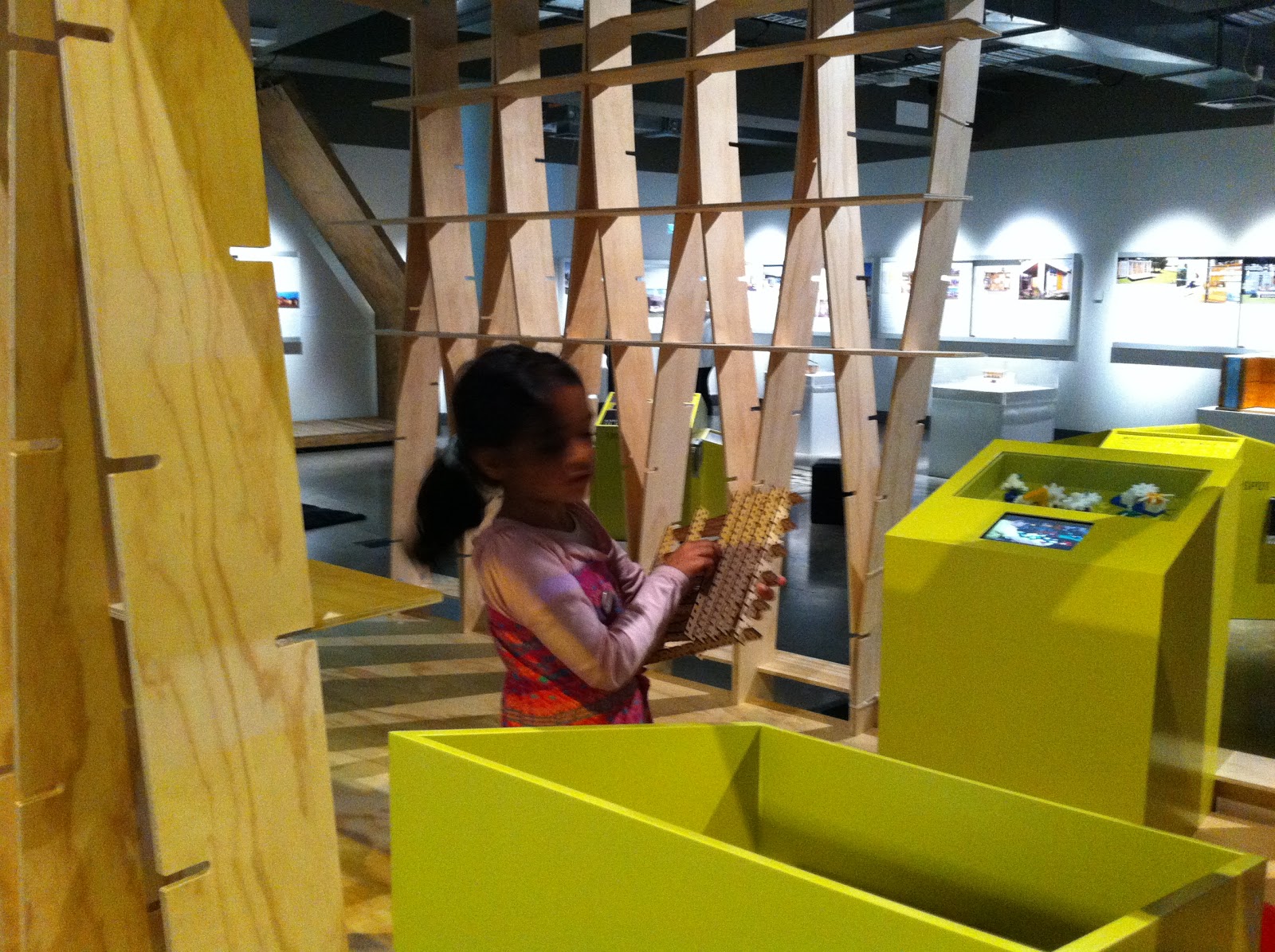
kids of all ages having a ball at Puke Ariki in New Plymouth - congratulations to the team at Puke Ariki, Victoria University Architecture School and PrefabNZ for putting together such a wonderful exhibition.


Monday, 3 December 2012
Radio Interview with Daniel Keighley

http://m.soundcloud.com/acessradiotaranaki/chris-moller-interview-3-12http://m.soundcloud.com/acessradiotaranaki/chris-moller-interview-3-12
Thursday, 29 November 2012
click-raft Virginia Winder article
wonderful article written by Virginia Winder
http://www.stuff.co.nz/taranaki-daily-news/entertainment/8001535/Structures-click-with-nature
http://www.stuff.co.nz/taranaki-daily-news/entertainment/8001535/Structures-click-with-nature
Puzzlekits Wrapped and Ready To Go !
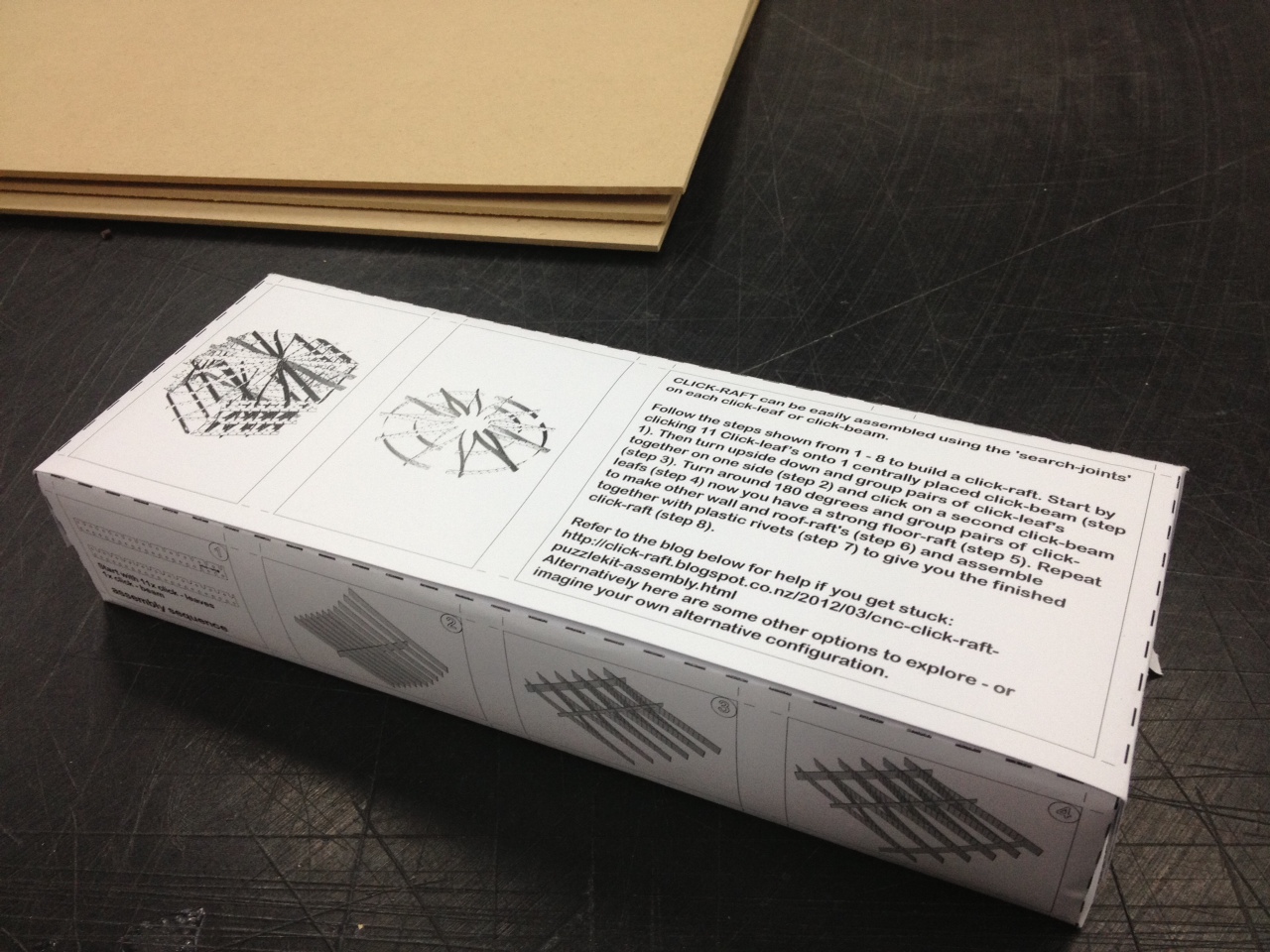
The puzzlekits now have an assembly instruction manual - also used to 'wrap' the parts together. All set and ready TO GO... feels like we have a factory running now !
Here are the latest photos taken by Ellen at the printer


Here are the latest photos taken by Ellen at the printer


Wednesday, 28 November 2012
Last minute preparations...
Just a few days to go until the opening at Puke Ariki - excitement is building, the full size click-raft is in place in New Plymouth with a wonderful mix of brave, explorative prefab experiments already assembled, and arriving outside on New Plymouth's extraordinary waterfront. Meanwhile Ellen and Ben have been slaving away with the CNC machines producing puzzlekits for kids and curious minds of all ages to assemble, test out and explore, to make their own. 


Subscribe to:
Posts (Atom)


